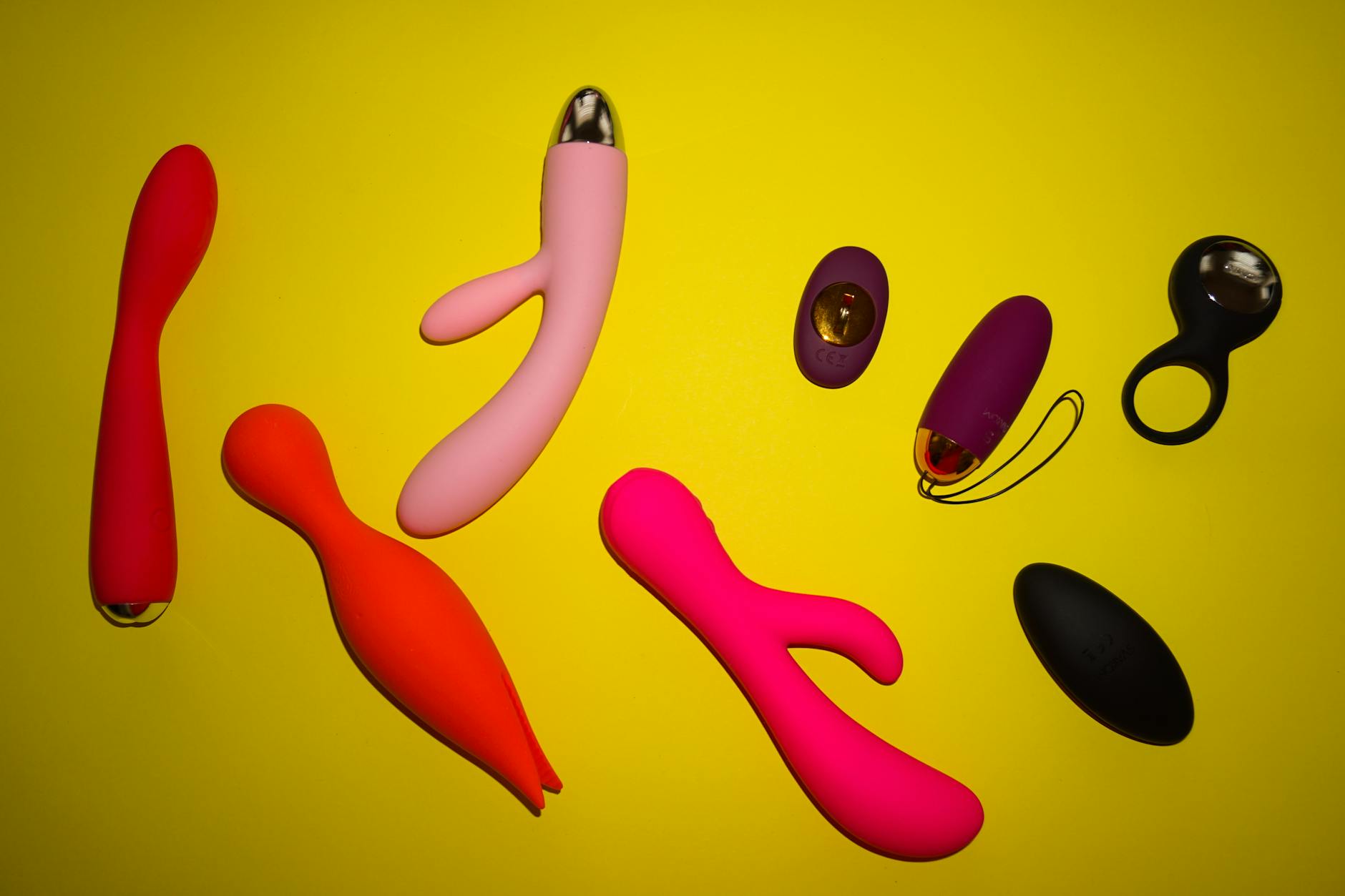
Let's be real about the anxiety
You want to bring a Lemon Clit Massager into your relationship. Maybe you already own one. Maybe you're thinking about it. Either way, there's a voice in your head saying: "What if they think I'm not satisfied? What if they feel threatened? What if this totally kills the mood?"
Those fears are normal. They're also almost never what actually happens. But the conversation matters. The timing matters. How you frame it matters. Let me walk you through it.
The biggest myth about introducing toys
Here's what people think: toys are a substitute for a partner, a sign that something's missing, a criticism wrapped in silicone.
Here's what's actually true: toys are tools for shared pleasure. They're no more a replacement for your partner than a vibrator is a replacement for human touch. A lemon clitoral vibrator like the Lem doesn't change what you want from them. It changes what pleasure feels like in that moment.
The best partners get this immediately. Some need a conversation to land there. And some will surprise you by being more enthusiastic than you expected.
Timing: the thing nobody talks about
The conversation shouldn't happen during sex. It shouldn't happen right before sex. It shouldn't happen when either of you is tired, stressed, or defensive.
It should happen when you're both relaxed, connected, and clothed. Maybe over coffee. Maybe during a walk. The casual context actually helps, because you're not in "performance mode." You're just two people talking.
If you've been together less than three months, waiting a bit longer won't hurt. This is lower on the priority list when you're still figuring out basics. If you've been together a year or longer, there's no good reason to wait.
What to say: the opening line that works
Drop the preamble. No "I have something I want to talk to you about" (that sounds like bad news). No over-explaining.
Try this: "I've been thinking about bringing something into our sex life. It's a vibrator, and I think it could actually feel really good for both of us."
That's it. You've named it. You've said why. You've implied it's about pleasure, not about anything being wrong.
Then you pause. You let them respond.
If they ask questions, answer them. If they seem hesitant, ask what the hesitation is. Most of the time it's one of three things: they think you're not satisfied (clarify that you are, and that this is additive), they're worried about performance (tell them you want them more involved, not less), or they just need time to think about it (give them that space).
The physical introduction
Don't spring it during sex the first time. That's jarring. Instead, show them when you're both calm.
Let them hold it. Let them feel how it works. A lemon clitoral vibrator is designed to be intuitive, but people are curious. They want to understand how it feels before it's anywhere near anyone's body.
Talk about sensation: "This uses suction instead of just vibration, which feels completely different." "It's quieter than you'd think." "The intensity levels are easy to control." You're making it less mysterious.
Then ask: "Do you want to try it together?"
If the answer is yes, start slow. Use it on yourself first while they watch. There's something powerful about that, actually. You're not asking them to do anything. You're showing them what pleasure looks like, and inviting them in.
If they say no (or seem hesitant)
First: don't push. Pressure kills intimacy faster than anything.
Second: ask what's underneath the no. "Tell me what you're thinking," works better than "Why don't you want this?"
Common concerns:
"Does this mean you're not satisfied with me?" (Insecurity, usually tied to performance anxiety.) Answer honestly: "No. I'm satisfied. I want more pleasure, and I want us to explore it together. That's about expanding, not replacing."
"Will you want me less?" (Fear of being displaced.) Reassure them: "Toys don't change how I feel about you. They change how my body responds in the moment. I want you with me when I use it."
"I just need time to think about it." (Legitimate.) Give them that. "Take whatever time you need. We don't have to rush this."
Some partners will need weeks. Some will come around after a single conversation. Some will want to research it first (totally fine). Let the timeline be theirs.
The first time together
Lowered expectations make better first experiences. You're not trying to have the best sex of your life. You're introducing something new, which is naturally a little weird.
Go slower than you think you need to. Light foreplay. Communication that's direct but playful: "Does this feel good? Want me to try a different setting?"
Remember that watching you experience pleasure is also pleasurable for a good partner. They're not sidelined. They're involved in a different way.
Having a lemon clitoral vibrator in your shared sex life can also create space for longer foreplay. If penetration or traditional stimulation takes longer to build, a toy can extend that buildup phase, which creates intensity for both of you.
What happens after
Most couples find that the first time using a toy together is less of a threshold and more of an opening. The awkwardness usually evaporates by the second time. By the third, it's just part of your toolkit.
Talk about what worked and what didn't. "That felt amazing when you combined it with..." or "I liked the setting, but the angle was a bit much." These aren't criticisms. They're information.
You might also find that introducing lemon vibrators into your shared pleasure opens other conversations. About what you each want more of. About what fantasies you haven't named yet. About desire itself.
That's the real gift, actually. The toy isn't the thing. The conversation is. The willingness to be vulnerable and creative together is.
When it clicks
The best partnerships aren't the ones where everything comes naturally. They're the ones where both people are willing to talk about hard things, to try things they're uncertain about, and to prioritize each other's pleasure.
Introducing a lemon clitoral vibrator doesn't sound like an act of intimacy, but it is. You're asking your partner to get curious with you. To move past whatever cultural messaging told them toys were weird or threatening. To expand what pleasure means together.
That conversation is brave. And it almost always pays off.
FAQ: The questions people actually ask
How do I know if my partner will be into it?
You don't know until you ask. And honestly, many people surprise you. Someone who seems vanilla might be genuinely excited about exploring. Someone who you think would be open might need more time. Don't assume. Ask. Listen. Adjust based on what they actually tell you, not what you thought they'd say.
Should I buy the vibrator before we talk about it?
No. Show them the concept first. Talk about the idea. Then if they're into it, you can shop together or you can surprise them. But purchasing in advance can feel presumptuous, especially if they're hesitant. Let them have a say in the choice.
What if they want to use it on me but I'm uncomfortable being watched?
That's worth saying directly: "I love that you want to be involved. I might need a few times to get comfortable with you watching. Can we start with me using it while you're with me but not directly watching?" Good partners will meet you there. You don't have to perform vulnerability before you feel it.
Can we use lemon vibrators during penetrative sex?
Absolutely. Many couples do. It adds stimulation during penetration, which can change sensation and intensity for both people. Start with positions where you can control the angle, and communicate about what feels good. Some positions work better than others, and you'll figure out your preferences quickly.
What if introducing this creates tension instead of connection?
That's rare, but it happens. If your partner feels threatened or if the conversation goes sideways, don't push further that day. Come back to it later: "I want to understand what felt off about that conversation." Sometimes it's not about the vibrator. It's about something else entirely, and the toy conversation just surfaced it.
Is it weird to use lemon clitoral vibrators if we're still getting to know each other physically?
Not weird. Actually kind of smart. Toys can help you learn what feels good faster. They remove some of the guessing game and let you explore sensation together without the pressure of "Am I doing this right?" Early-relationship sex is already awkward sometimes. Tools that build confidence and pleasure are always welcome.
The real bottom line
Introducing lemon vibrators to a partner is a conversation about trust. It's about saying: "I want to explore pleasure with you. I want us to be curious together. I want your hands on me and this tool in the mix."
That's not a risk. That's an invitation. And most people, if they care about you, will be honored to accept it. The ones who aren't? That tells you something important too. But you won't know until you ask.
Your pleasure matters. Your desire to explore matters. And your partner's response to that will tell you a lot about the relationship itself.