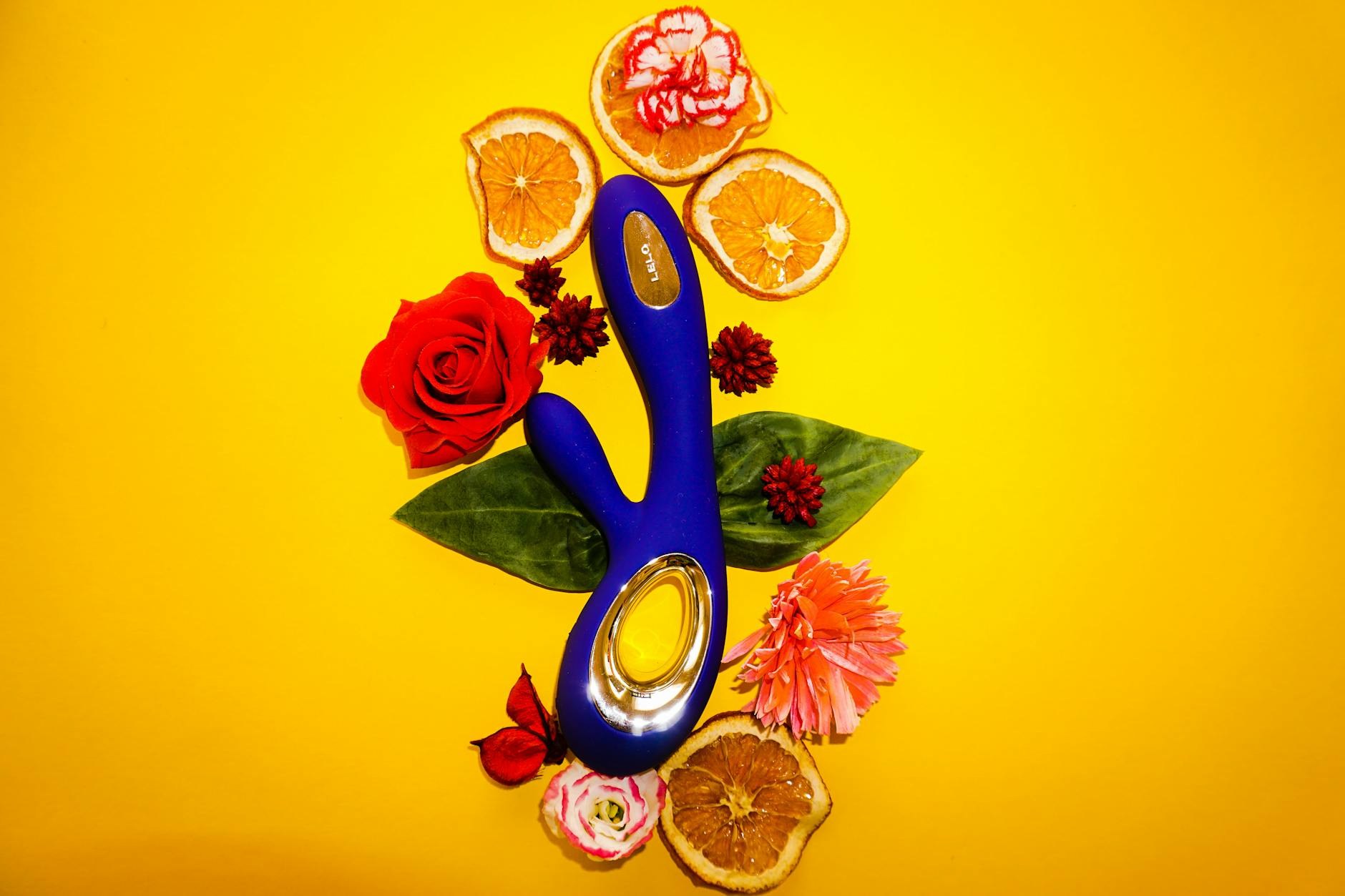
How arousal actually changes with age
Let's be real. Arousal doesn't work the same way at 50 that it did at 25. Your body takes longer to flush with blood, your clitoris may take longer to swell, and you might need more direct stimulation to feel the same intensity. That's not failure. That's biology. And honestly, it comes with a surprising silver lining.
My clients in their 40s, 50s, and beyond often tell me that once they stopped fighting this shift and started working with it, their pleasure got deeper, more nuanced, and sometimes more intense than it had been in decades. The neurological pathways for orgasm don't vanish. The capacity for sensation stays intact. What changes is the tempo.
The physiological slow-down and what it means
Three hormonal and vascular shifts happen as we age:
Blood flow takes longer. Arousal requires increased blood flow to the clitoris, labia, and vaginal tissue. In younger bodies, this happens in seconds. After 40 or so, it can take 10-20 minutes or longer. This isn't a sign you're not attracted to your partner or that your body is broken. It's just how circulation works over time.
Skin sensitivity changes. Tissue becomes thinner and loses some elasticity, especially if estrogen is dropping. This means direct, intense vibration might feel less comfortable than it used to. It also means your clitoris might prefer a different kind of stimulation altogether. Many people find that suction-based sensation, like what a device like the Lem provides, feels far gentler and more pleasurable than traditional vibration.
Orgasm architecture shifts. The orgasms you have may feel different. They might be slower to build, or they might come in waves instead of one sharp peak. Some people report they're less intense. Others say they're more full-bodied and satisfying. The nervous system is still fully capable. The sensation just looks different.
Why age-related arousal changes aren't about desire
This matters because most people confuse a slower arousal tempo with lower desire. They're completely separate things. You can want sex intensely and still need 20 minutes of foreplay instead of five. I've worked with couples for years where this distinction alone unlocked their entire sex life.
Your brain's dopamine and norepinephrine systems don't significantly decline with age. You're still capable of wanting, craving, and enjoying sex. What's shifted is the physical mechanism that gets your body ready. That's it.
How lemon sexual toys adapt to age-related arousal timing
Traditional vibrators typically offer high-frequency vibration, which works beautifully for bodies that respond quickly to that stimulus. But when arousal timing changes, you need a different approach. This is where suction-based devices like lemon clitoral vibrators excel.
Here's why they're particularly useful as you age:
Suction mimics natural arousal. When your body is aroused, blood pools in the clitoris and surrounding tissue. Suction devices replicate that sensation without requiring the same level of genital engorgement to feel good. You can use a lemon vibrator before you're fully aroused and still feel the stimulation clearly.
Gentler on aging tissue. A lemon clitoral vibrator uses air-pulse technology rather than direct vibration. This means less aggressive friction against thinner, more delicate tissue. The sensation is rich and deep without the potential discomfort that can come with traditional vibration on sensitive skin.
Precise stimulation without overload. As you age, less can genuinely be more. A lemon sucker allows you to control exactly where and how intensity is applied. You can start at pattern one and stay there, or build slowly upward. There's no pressure to escalate.
The extended warm-up as a feature, not a bug
Here's the thing nobody tells you: the fact that you need more time to become aroused doesn't mean your eventual pleasure is diminished. It often means it's deeper.
When arousal builds slowly, you have time to notice what actually feels good. You're not rushing toward a destination. You're present in the sensation. That presence is where pleasure actually lives.
My recommendation for anyone experiencing age-related arousal changes:
Treat the warm-up as part of the experience, not a hurdle. Schedule 30 minutes instead of 15. Use the first 15 for foreplay, touch, kissing, and mental foreplay. Then introduce your lemon vibrator. That extended timeline isn't wasted time. It's the main event.
Start lower and stay there longer. With a lemon clitoral vibrator, you don't need to work your way up to the highest intensity. Many people find that patterns one through three, used for 10-15 minutes, build sensation more completely than jumping to pattern five immediately.
Build arousal in layers. Use your vibrator for five minutes, pause, switch to a different kind of touch, then return. This mimics how arousal actually builds in aging bodies. It's not one continuous climb. It's peaks and plateaus that eventually build to climax.
Age, estrogen, and clitoral sensitivity
If you're in perimenopause, menopause, or postmenopause, declining estrogen can make direct clitoral stimulation uncomfortable. Your clitoris might feel too sensitive or raw. This is where understanding your own anatomy becomes crucial.
Some people with lower estrogen need to angle their lemon vibrator slightly away from the most sensitive tip of the clitoris, stimulating the surrounding tissue instead. Others use water-based lubricant to create a slight buffer. Still others find that the very gentle suction of lower patterns actually feels soothing rather than intense.
If you haven't explored how your clitoris responds to different angles and intensities, now is the time. Your body is communicating something important. Listen to it.
Pleasure as a skill that improves with time
One of the most counterintuitive findings in sexual health research is that people often experience their best sex in their 50s and 60s, not their 20s. Why? Because they know their bodies. They know what they like. They're not performing or rushing. They understand pacing.
When arousal takes longer, you have a choice: you can treat it as a failure of your body, or you can treat it as an invitation to develop deeper skill with pleasure. The second option is where the real satisfaction lives.
A lemon vibrator becomes, in this context, a tool for exploration and sophistication, not compensation. You're learning what slow pleasure feels like. You're discovering that maybe you like building sensation over 20 minutes more than you ever liked a five-minute race.
Common adjustments that help
Lubrication matters more. Even if you don't typically need additional lubrication, consider adding a little water-based lube when using your lemon sexual toy. It can reduce friction and make everything feel smoother.
Plan around your best times. If your energy or arousal capacity is best in the morning or at a certain time of day, honor that. Arousal timing is partly neurological and hormonal. Work with your rhythm, not against it.
Talk about pacing with your partner. If you're with someone, name what's happening. "I need 20 minutes to warm up now, and I actually love that because I feel more sensation at the end." This is a feature, not a flaw.
Consider extended sessions. Rather than the quickie model, explore what 45 minutes of slow pleasure looks like. This often reveals satisfaction that shorter sessions simply can't.
When to seek support
If pain accompanies arousal changes, that's different from simple slowness. Genitourinary syndrome can make arousal uncomfortable. Low desire that persists despite adequate time and stimulation might point to medication effects or hormonal factors worth investigating. A good menopause-trained GP or sex therapist can help sort out what's biological aging and what's something that responds to treatment.
Otherwise, what you're experiencing is normal. Age-related arousal changes affect most bodies. The goal isn't to return to your 25-year-old response. It's to understand what your body is telling you now and work with that intelligence.
Frequently Asked Questions
How long does arousal typically take after 45?
There's huge individual variation, but research suggests arousal takes 15-25 minutes on average for people over 45, compared to 5-10 minutes for younger people. Some people experience even longer timelines. This is completely normal.
Can lemon clitoral vibrators help if arousal is very slow?
Yes, particularly because they don't require a high degree of genital engorgement to feel effective. Since suction works partially on stimulation rather than solely on blood flow, you can feel strong sensation even during the early stages of arousal.
Does slower arousal mean I have lower desire?
No. Desire and arousal response are separate systems. You can have strong desire while your body takes longer to physically respond. Many people don't realize this and assume their desire is gone when actually only their arousal tempo has shifted.
Should I use my lemon vibrator differently if I'm over 50?
Not necessarily differently, but you might use it more intentionally. Start at lower intensities, give yourself permission to stay there, and think of warm-up time as part of your pleasure, not a barrier to it.
Can hormonal changes affect how my lemon sexual toy feels?
Absolutely. Estrogen, testosterone, and progesterone all affect genital sensation. If you're cycling hormonally or experiencing shifts from birth control, menopause, or other factors, expect that your sensation might vary day to day. Your toy doesn't change. Your response does. This is normal.
Is there anything that can speed up arousal if I need it to?
Focusing on mental arousal and fantasy helps. So does extended foreplay. Some people find that consistent use of clitoral vibrators over weeks actually improves their arousal response. If medication is involved, a conversation with your doctor about timing might help. Otherwise, learning to enjoy the slower pace is often more satisfying than fighting it.